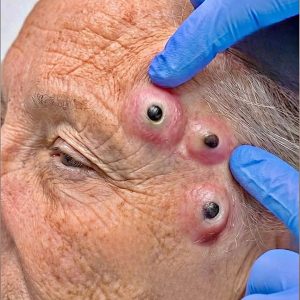
The nose belongs to an area of the face known as the T-zone, which also includes the forehead and chin. This region generally contains more active sebaceous glands than many other areas of the face. These glands produce sebum, a natural oil that helps maintain the skin’s protective barrier. However, excess oil can mix with dead skin cells and contribute to blocked pores. When these blockages form, they may develop into blackheads, whiteheads, or inflamed pimples. Hormonal changes, genetics, certain skincare products, and other factors can influence how frequently breakouts occur. Contrary to a common misconception, having acne doesn’t necessarily mean someone has poor hygiene.
One of the most interesting things about the tiny dots on your nose is that not all of them are blackheads. Many are actually sebaceous filaments, which are normal structures associated with the movement of oil through hair follicles. They often appear as small grayish, yellowish, or skin-colored dots, especially around the nose. Unlike blackheads, which involve a buildup of material clogging a pore, sebaceous filaments are part of the skin’s natural function. Trying to squeeze them out may temporarily change their appearance, but they usually become visible again as oil returns. Repeated squeezing can cause irritation and damage the surrounding skin.
Daily skincare habits can also influence how your nose looks and feels. Washing your face gently twice a day and after heavy sweating is generally sufficient for most people. Scrubbing aggressively or repeatedly washing throughout the day can irritate the skin without preventing acne. Choosing non-comedogenic moisturizers, sunscreens, and makeup products may help reduce clogged pores. For people experiencing blackheads, products containing salicylic acid can help clear buildup inside pores. Benzoyl peroxide may be useful for inflammatory acne, while topical retinoids can help prevent clogged pores. However, these ingredients can cause dryness or irritation, so it’s important to introduce treatments carefully and follow product directions or professional advice.
Perhaps the most important lesson is that healthy skin doesn’t have to be completely poreless. Social media filters and heavily edited photographs can create unrealistic expectations about what normal skin should look like. In reality, pores, natural oil, and minor changes in skin texture are completely ordinary. If you experience painful, persistent, or frequently recurring breakouts, a dermatologist can help identify the cause and recommend appropriate treatment. A bump that bleeds, changes noticeably, or fails to heal should also be professionally evaluated rather than assumed to be acne. Avoid squeezing deep or inflamed spots, particularly around the nose, because doing so can worsen inflammation and increase the risk of infection or scarring. With gentle care and realistic expectations, most people can manage nose breakouts without harsh treatments.
👃 Have you ever noticed tiny black dots or bumps on your nose?